Congenital craniofacial conditions are structural differences in the bones and soft tissues of the skull and face that develop during early growth. These conditions may affect the shape of the skull, facial symmetry, airway function, or the development of the jaw and facial bones. Because the face and skull develop in complex stages during infancy and childhood, specialized surgical care is often necessary to guide normal growth and restore structural balance.
At McKinnon Plastic Surgery, treatment for congenital craniofacial conditions is performed by Dr. McKay McKinnon, a plastic surgeon with extensive experience in craniofacial reconstruction. Dr. McKinnon completed advanced craniofacial fellowship training in Paris under Dr. Paul Tessier and has spent decades treating complex congenital facial conditions requiring careful surgical planning and long-term reconstructive care.

What Are Congenital Craniofacial Conditions?
Congenital craniofacial conditions are differences in the development of the skull, facial bones, or surrounding soft tissues that are present at birth. These conditions can affect the structure and growth of the face, sometimes influencing breathing, speech, vision, or dental alignment.
Because the skull and facial bones continue developing throughout childhood, treatment often involves careful monitoring and, when appropriate, staged reconstructive procedures. The goal of care is to support normal growth, restore structural balance, and protect important facial functions.
Evaluation by a craniofacial specialist allows careful assessment of each condition so that the most appropriate treatment plan can be developed.
Conditions Treated At McKinnon Plastic Surgery
Cleft Lip & Palate
Cleft lip and cleft palate occur when portions of the lip or roof of the mouth do not fully fuse during early development. Surgical repair focuses on staged reconstruction of the lip and palate, support of feeding and speech development restoring normal lip structure, improving feeding and speech development, and supporting facial growth.
Craniosynostosis
Craniosynostosis occurs when one or more of the growth plates in an infant’s skull close too early. This can affect the shape of the head and may place pressure on the developing brain. Surgical treatment focuses on reshaping the skull to allow normal growth.
Treacher Collins Syndrome
Treacher Collins syndrome affects the development of facial bones, particularly the cheekbones, jaw, and ears. Reconstructive procedures may be used to improve facial structure and support airway or hearing function.
Hemifacial Microsomia
Hemifacial microsomia is an under-development of one side of the face affecting usually the orbit, maxilla, ear and mandible. Treatment involves surgical expansion and reconstruction of the involved structures along with achieving a functional dental occlusion.
Romberg’s Facial Atrophy
Romberg’s facial atrophy is a condition that causes gradual thinning of facial tissue on one side of the face. Reconstructive procedures may be used to restore volume and improve facial symmetry once the condition stabilizes.
Encephalocele
Encephalocele is a rare neural tube condition in which brain tissue protrudes through an opening in the skull. It is a hernia of the brain and/or meninges. Surgical reconstruction focuses on repair of the hernia and reconstruction of the skull, usually with bone grafting.
Fibrous Displasia
Fibrous dysplasia is a disease of bone caused by a rare genetic mutation of the fetus in utero. Bone cells of any bone may become affected but disease of the craniofacial skeleton is common. Because the optic nerve and other cranial nerves are at risk of impingement by this growing tumor, early surgery should be considered.
Who May Benefit From Evaluation?
Children or adults with congenital craniofacial differences may benefit from evaluation when facial structure, skull growth, or soft tissue development appears abnormal.
Consultation may be appropriate for patients who:
- Have been diagnosed with a craniofacial condition at birth
- Develop changes in skull shape during infancy
- Experience facial asymmetry related to congenital conditions
- Have functional concerns involving breathing, speech, or vision
- Require evaluation for reconstructive craniofacial surgery
A thorough assessment enables careful treatment planning based on the individual’s condition and stage of development.
Why Choose McKinnon Plastic Surgery For Congenital Craniofacial Conditions?
Treatment of congenital craniofacial conditions requires highly specialized training and experience in skull and facial reconstruction. Dr. McKay McKinnon has spent decades treating complex craniofacial conditions affecting both children and adults.
Following his plastic surgery residency at the University of Miami, Dr. McKinnon completed advanced craniofacial fellowship training in Paris under Dr. Paul Tessier, widely recognized as the father of craniofacial surgery.
Dr. McKinnon personally performs craniofacial reconstructive procedures with careful attention to facial growth, structural balance, and long-term outcomes.
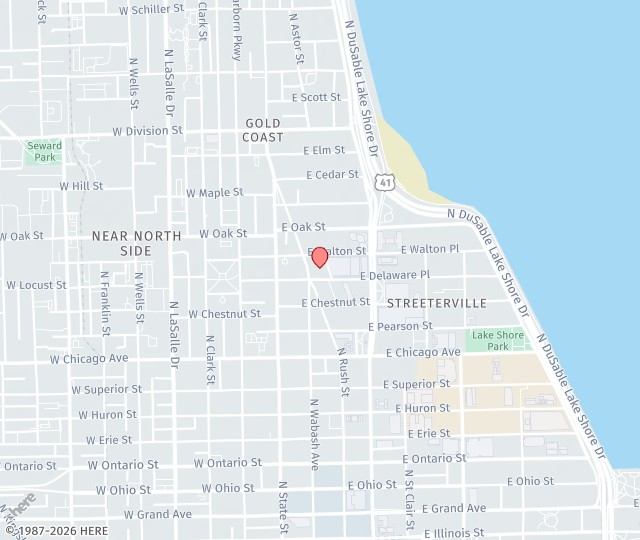
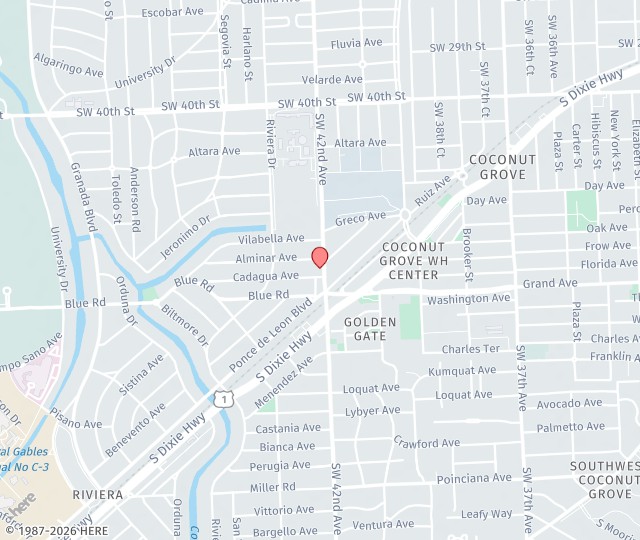
Congenital Craniofacial Condition Treatment In Chicago, IL & Coral Gables, FL
Congenital craniofacial conditions often require specialized surgical evaluation to guide facial development and restore structural balance. Patients in Chicago, IL, and Coral Gables, FL, seeking expert care for congenital craniofacial conditions can contact McKinnon Plastic Surgery at (312) 335-9566 in Chicago or (305) 753-1400 in Coral Gables to schedule a consultation.