Craniosynostosis is a congenital condition in which one or more of the sutures between the bones of an infant’s skull close too early. Because these sutures normally allow the skull to expand as the brain grows, premature fusion can affect the shape of the head and may influence normal cranial development. Early diagnosis and specialized surgical treatment are often recommended to restore normal skull growth and protect neurological development.
At McKinnon Plastic Surgery, craniosynostosis surgery is performed by Dr. McKay McKinnon, a board-certified plastic surgeon with specialized training in craniofacial surgery. Dr. McKinnon completed a craniofacial fellowship in Paris under Dr. Paul Tessier, whose pioneering work established modern craniofacial reconstruction. His experience includes the treatment of complex pediatric craniofacial conditions requiring careful surgical planning.

What Is Craniosynostosis?
Craniosynostosis occurs when one or more of the fibrous joints (sutures) between the bones of an infant’s skull close earlier than they should. These sutures normally remain open during early childhood to allow the skull to expand as the brain grows.
When a suture closes prematurely, the skull may grow unevenly as the brain pushes against the remaining open sutures. This can lead to characteristic changes in head shape depending on which suture is involved.
The condition may affect a single suture or multiple sutures and can vary widely in severity.
Types Of Craniosynostosis
Different forms of craniosynostosis are classified based on which suture is affected.
Common types include:
- Sagittal craniosynostosis, involving the suture running along the top of the skull
- Coronal craniosynostosis, affecting sutures that run across the top of the head from ear to ear
- Metopic craniosynostosis, involving the suture that runs from the forehead down toward the nose
- Lambdoid craniosynostosis, affecting the suture at the back of the skull
- Apert’s Syndrome
- Crouzon Syndrome
- Saethre-Chotzen Syndrome
- Pfeiffer Syndrome
- Muenke Syndrome
Each type can produce a distinct head shape and may require different surgical approaches.
Signs And Symptoms Of Craniosynostosis
Parents or pediatricians may notice changes in an infant’s head shape as the condition develops.
Possible signs include:
- An unusually shaped head or skull
- A ridge along a cranial suture
- Slow or uneven head growth
- Facial asymmetry in some cases
Early evaluation allows specialists to determine whether the head shape changes, facial asymmetry and/or orbital asymmetry are related to craniosynostosis or another condition.
Surgical Treatment For Craniosynostosis
Surgery is often recommended to correct craniosynostosis and allow the skull to grow normally. The procedure typically involves reshaping and repositioning portions of the skull to relieve pressure and restore balanced cranial development.
The timing and type of surgery depend on the child’s age, the sutures involved, and the severity of the condition. Early treatment is often beneficial because the bones of the skull are more flexible during infancy.
Craniosynostosis surgery requires careful planning to protect the brain while restoring normal skull shape.
When Is Craniosynostosis Surgery Performed?
Surgical treatment for craniosynostosis is typically performed during infancy, when the bones of the skull are still flexible and easier to reshape. The exact timing depends on the type of craniosynostosis, the sutures involved, and the child’s overall development.
In many cases, surgery is recommended within the first year of life to allow the skull to grow normally as the brain develops. After a comprehensive evaluation, Dr. McKinnon determines the most appropriate timing for surgery based on the child’s specific condition.
Why Choose McKinnon Plastic Surgery For Craniosynostosis Treatment?
Craniosynostosis surgery requires advanced training in pediatric craniofacial reconstruction and detailed knowledge of skull development. Dr. McKay McKinnon has devoted much of his career to treating complex craniofacial conditions involving the bones and soft tissues of the face and skull.
Following his plastic surgery training at the University of Miami, Dr. McKinnon pursued specialized craniofacial fellowship training with Dr. Paul Tessier in Paris. He has since performed numerous craniofacial procedures addressing congenital facial differences and skull abnormalities in children.
His experience with complex craniofacial surgery allows treatment plans to be developed with careful attention to neurological safety, skull growth, and long-term facial development.
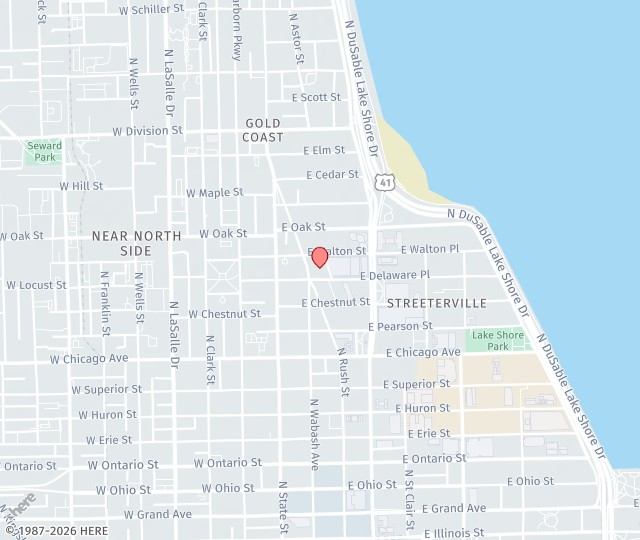
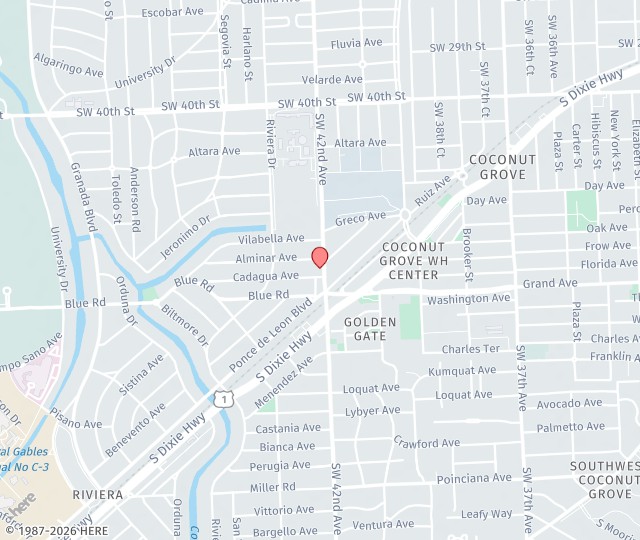
Craniosynostosis Surgery In Chicago, IL & Coral Gables, FL
Craniosynostosis requires specialized evaluation and surgical care to restore normal skull growth and protect brain development. Patients in Chicago, IL and Coral Gables, FL seeking expert craniofacial evaluation and treatment can contact McKinnon Plastic Surgery at (312) 335-9566 in Chicago or (305) 753-1400 in Coral Gables to schedule a consultation.