Not all skin lesions require medical attention, but certain changes should prompt evaluation by a qualified physician. A skin lesion should be examined if it:
- Is growing or changing in appearance
- Appears unusual or different from surrounding skin
- Causes bleeding, ulceration, or skin breakdown
- Is darker than normal skin tone
- Becomes raised or irregular
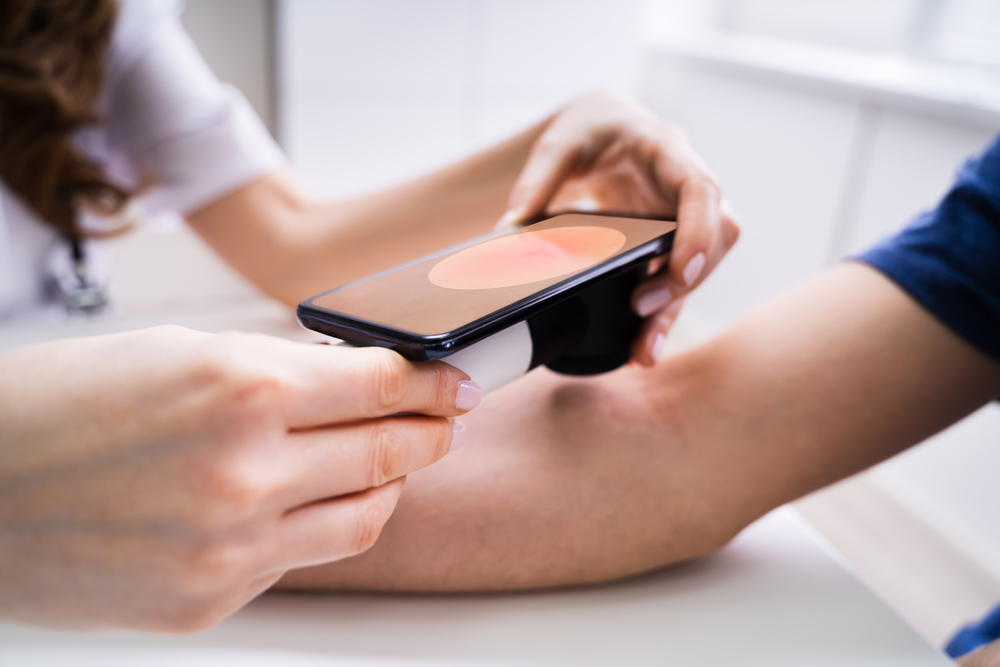
In addition, patients who are concerned about the appearance of a mole or lesion may seek consultation for elective removal, which is typically performed as a simple in-office procedure.
When skin cancer is suspected or confirmed, surgical excision is usually the preferred treatment. Unlike methods such as liquid nitrogen (cryotherapy), surgical removal allows for pathologic confirmation of clear margins, reducing the risk of recurrence. Radiation therapy is generally not recommended for most skin cancers when surgical options are available.
Early Diagnosis and Surgical Treatment
The majority of skin cancers, including basal cell carcinoma, squamous cell carcinoma, and melanoma, are diagnosed early and can be effectively treated with outpatient surgery under local anesthesia.
Patients are often initially evaluated by a primary care physician or dermatologist. However, a board-certified plastic surgeon offers the advantage of both accurate diagnosis and definitive surgical treatment, often in a single procedure. This may include immediate evaluation of the removed tissue by a board-certified pathologist, followed by reconstruction of the surgical site during the same visit.
Melanoma, the most serious skin cancer, may deserve more extensive testing prior to resection and reconstruction as an in-hospital admission.
In-Office vs Hospital-Based Skin Cancer Surgery
At McKinnon Plastic Surgery, treatment is tailored to the complexity and location of the lesion:
In-Office Procedures
- Suitable for smaller or less complex lesions, especially those not located on the face
- Performed under local anesthesia
- Tissue is sent for pathology to confirm complete removal
- Follow-up typically involves suture removal and wound evaluation
Hospital-Based Procedures
- Recommended for complex lesions involving the face, scalp, neck, or ears
- Allows access to a board-certified pathologist for immediate analysis
- Enables single-stage tumor removal and reconstruction
- Patients typically return home the same day, with confidence that the cancer has been fully addressed
Dermatology vs Plastic Surgery: Understanding the Difference
Dermatologists play an important role in diagnosing skin conditions, but their treatment approach may involve multiple steps, such as:
- Initial biopsy
- Additional biopsies
- Separate procedures for lesion removal
- Referral to a plastic surgeon for wound closure or reconstruction
In contrast, a plastic surgeon can often provide comprehensive care in a single procedure, including diagnosis, excision, and reconstruction.
Mohs Surgery Considerations
Mohs surgery (microscopic surgery) is a well-established technique for removing certain skin cancers with precision. While it can be highly effective, especially in experienced hands, it is important for patients to understand how it is performed.
Traditionally, Mohs surgery involved real-time evaluation by a pathologist. However, in some settings, this level of expertise may not be consistently available, potentially leading to multiple procedures or visits.
Patients are encouraged to ask:
- How many procedures may be required
- Where the procedure will be performed (office vs hospital)
- Who will evaluate the pathology
- What type of reconstruction may be needed
Complex Skin Lesions and Reconstruction
Patients with more advanced skin cancers—such as melanoma or large basal and squamous cell carcinomas, particularly in the head and neck region—often benefit from early consultation with a board-certified plastic surgeon.
These cases may require:
- Precise tumor removal
- Advanced reconstructive techniques
- Coordination with other medical specialists when necessary
Plastic surgeons are uniquely trained to manage both cancer removal and aesthetic reconstruction, helping to preserve both function and appearance.
Consultation and Patient-Centered Care
At McKinnon Plastic Surgery, the focus is on delivering:
- Accurate diagnosis
- Efficient, single-stage treatment when possible
- Safe surgical care
- Optimal cosmetic and functional outcomes
Patients are encouraged to ask questions, review treatment options, and seek additional opinions if desired. The goal is to provide clear guidance, effective treatment, and confidence in the care process, especially when addressing potentially serious conditions such as skin cancer.
Why Choose McKinnon Plastic Surgery For Skin Cancer & Tumor Reconstruction?
Treatment of facial tumors and skin cancers requires specialized expertise in both tumor removal and reconstructive surgery. Dr. McKay McKinnon has spent decades performing complex procedures involving the bones, nerves, and soft tissues of the face.
Following his plastic surgery residency at the University of Miami, Dr. McKinnon completed advanced craniofacial fellowship training in Paris under Dr. Paul Tessier, whose work helped shape modern craniofacial surgery. His experience includes treatment of craniofacial tumors, neurofibromatosis-related growths, and complex reconstructive procedures involving the face and skull.
Dr. McKinnon personally performs surgical procedures with careful attention to preserving facial structure while restoring natural tissue balance.
Skin Cancer & Tumor Reconstruction In Chicago, IL & Coral Gables, FL
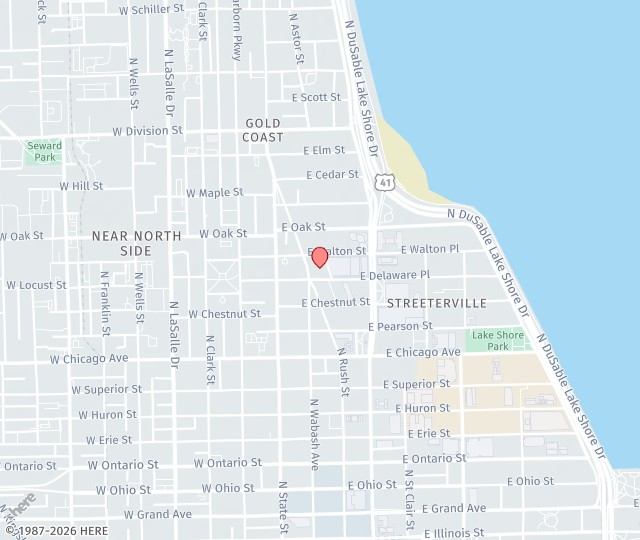
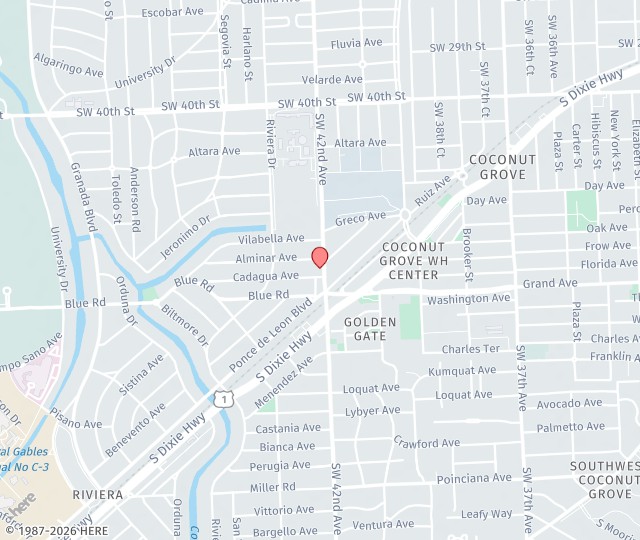
Skin cancers and soft tissue tumors affecting the face and head often require specialized surgical treatment and reconstruction to protect both function and appearance. Patients in Chicago, IL and Coral Gables, FL seeking expert care can contact McKinnon Plastic Surgery at (312) 335-9566 in Chicago or (305) 753-1400 in Coral Gables to schedule a consultation.