Maxillofacial deformities can affect facial balance, bite alignment, and function. At McKinnon Plastic Surgery, our facial trauma and structural reconstruction services in Chicago, IL and Coral Gables, FL include care for complex concerns involving the facial skeleton and jaws. Dr. McKay McKinnon is board-certified by the American Board of Plastic Surgery and trained at Harvard University, the University of Miami, and in Paris. His background in craniofacial and reconstructive surgery informs the detailed planning these procedures require.
What Are Maxillofacial Deformities?
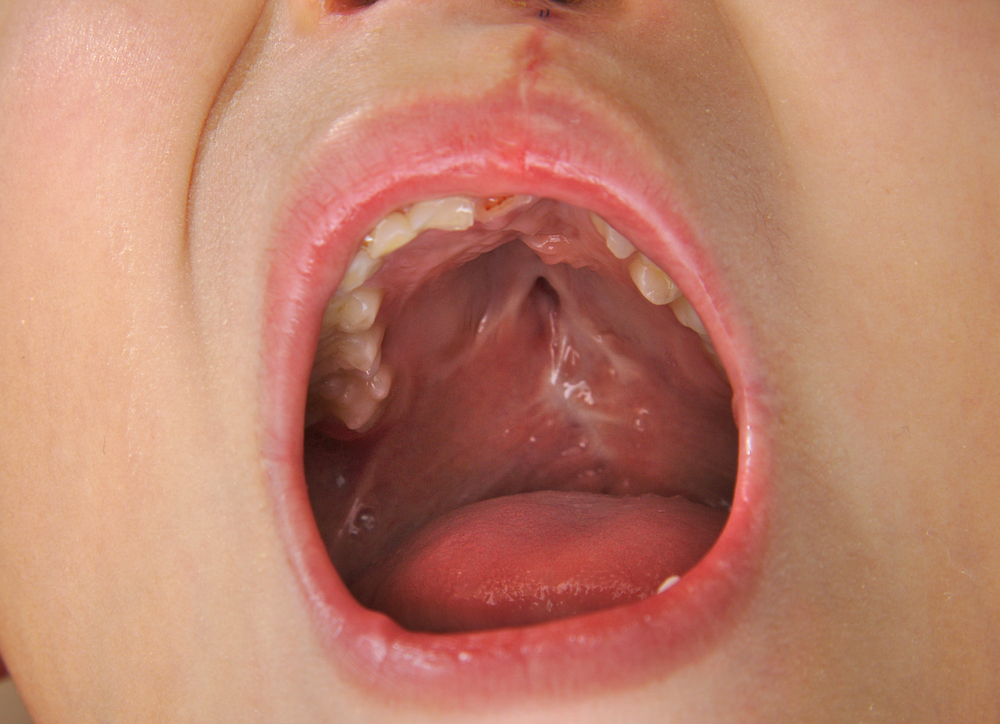
Maxillofacial deformities are structural differences involving the face and jaws. They may develop during facial growth, result from trauma, or occur after tumor-related bone loss. Some people have undergrowth, overgrowth, or asymmetry affecting one or more areas of the face. Others also have malocclusion, meaning the upper and lower teeth do not meet properly.
How Can Facial Bone Surgery Help?
Treatment depends on the type and location of the skeletal difference. An underdeveloped area may be repositioned through an osteotomy, while bone grafting may be considered when additional volume or structural support is needed. Graft material can come from areas such as the rib, hip, or skull.
When part of the facial skeleton is overgrown, surgery may involve reshaping, reducing, or repositioning the affected area. Plates, screws, or wire can be used to hold repositioned bone. Depending on the procedure, some incisions may be placed inside the mouth or beneath the scalp.
When facial structure has been affected by a tumor or a condition such as neurofibromatosis, reconstruction may also be part of treatment.
Who May Be a Candidate?
An evaluation may be appropriate for:
- Developmental facial asymmetry
- Bone loss or deformity after a tumor
- A prior facial fracture or other trauma
- Malocclusion involving the facial skeleton
- Facial overgrowth or undergrowth
- A structural concern that remains after orthodontic treatment
An in-office examination is needed before a surgical plan can be made. CT imaging or plain X-rays are commonly used to study the facial skeleton and assist with planning.
What Should I Expect From Planning and Recovery?
The surgical plan depends on the structures involved, your bite, surrounding tissues, and the cause of the deformity. Dr. McKinnon reviews the facial anatomy and available imaging before recommending an approach.
Healing differs based on the extent and location of surgery. Our team discusses activity restrictions, follow-up care, and expected recovery according to the procedure being performed.
Why Choose McKinnon Plastic Surgery for Maxillofacial Surgery in Chicago and Coral Gables?
Dr. McKinnon spent 24 years on the surgical faculty of the University of Chicago, where he introduced and taught craniofacial surgery. His training included work with Paul Tessier in Paris. He has performed and taught maxillofacial and craniofacial surgery for decades and belongs to the American Society of Maxillofacial Surgeons and the International Society of Craniofacial Surgery.
Frequently Asked Questions About Maxillofacial Deformities
Request an Evaluation for a Jaw or Facial Bone Concern
Concerns with jaw alignment, facial asymmetry, or another structural difference require a careful assessment to identify the cause and determine whether surgery has a role in treatment. To meet with Dr. McKay McKinnon at McKinnon Plastic Surgery, contact us in Chicago at (312) 335-9566 or Coral Gables at (305) 753-1400.