Rhinoplasty (Nose Surgery) for Facial Balance and Function
The primary purpose of the nose is both functional and aesthetic—to allow proper breathing while maintaining a natural, balanced facial appearance. Rhinoplasty (nose surgery) is designed to improve the appearance of the nose while also enhancing or preserving its function.
Rhinoplasty can address a wide range of concerns involving both the external shape and internal structure of the nose, including deformities, breathing issues, or structural abnormalities. In many cases, the nasal bones, cartilage, and septum require surgical refinement. When functional correction of the nasal septum is needed, a septoplasty may be performed either independently or in combination with rhinoplasty. Septoplasty is typically considered a medically necessary procedure and may be covered by insurance, while cosmetic rhinoplasty is generally not covered in the United States.
Rhinoplasty Procedure and Anesthesia
At McKinnon Plastic Surgery, rhinoplasty is performed as an outpatient procedure in either a hospital or an accredited surgical center. Anesthesia options include conscious sedation with local anesthesia or general anesthesia, depending on the patient’s needs and the complexity of the procedure.
Most elective rhinoplasty procedures can be completed in approximately one hour, although timing may vary based on the surgical plan.
Surgical Technique and Approach
Successful rhinoplasty depends not only on surgical skill but also on careful diagnosis, planning, and judgment tailored to each patient’s unique anatomy and goals. Among cosmetic procedures, rhinoplasty is considered one of the most technically and artistically demanding.
At McKinnon Plastic Surgery, rhinoplasty is typically performed using a closed (endonasal) technique, meaning all incisions are placed inside the nose. This approach avoids external scarring and helps preserve the natural structure of the nose during surgery.
Through these internal incisions, the surgeon can reshape, refine, or reposition nasal cartilage and bone with precision. This technique is designed to achieve a natural-looking result without visible signs of surgery. In select cases, an open approach may be considered, but it is generally not required for most rhinoplasty procedures.
Customized Rhinoplasty Planning
A comprehensive rhinoplasty consultation includes a detailed discussion of the patient’s:
- Medical and Surgical history
- Functional concerns (such as breathing issues)
- Aesthetic goals and expectations
- Facial anatomy and proportions
Special consideration is given to ethnic background, as nasal structure and aesthetic preferences can vary significantly. Individualized planning ensures that results are both natural and appropriate to each patient’s unique features.
Patients are encouraged to return for a second consultation to further review the surgical plan and ensure clarity and confidence before proceeding.
Structural Enhancement and Facial Harmony
Rhinoplasty may involve augmentation or structural support using grafts, often taken from the patient’s own cartilage, bone, or fat. The use of a patient’s own tissue helps reduce the risk of complications and promotes more natural, long-lasting results.
Artificial implants are generally avoided due to increased risks of infection, displacement, extrusion, and scarring.
In addition to reshaping the nose, rhinoplasty planning often considers overall facial balance, particularly the relationship between the nose and chin. In some cases, chin enhancement (genioplasty) may be performed at the same time to improve facial harmony. Chin surgery is typically performed under general anesthesia and may be completed through an intraoral (inside the mouth) approach.
Safety, Results, and Expectations
Rhinoplasty is a highly individualized procedure that requires experience, precision, and aesthetic judgment. When performed by a qualified and experienced surgeon, it is a safe and effective way to achieve both functional improvement and natural-looking facial enhancement.
The goal is a nose that appears proportionate, balanced, and natural, with no obvious signs of surgical intervention, while also supporting optimal breathing function.
Why Choose McKinnon Plastic Surgery For Rhinoplasty?
Rhinoplasty is widely considered one of the most technically demanding cosmetic surgical procedures because it requires careful attention to both appearance and nasal function. Achieving a natural result depends not only on surgical technique but also on accurate diagnosis and thoughtful surgical planning.
Dr. McKay McKinnon has decades of surgical experience involving the bones, cartilage, and soft tissues of the face. His training includes work on the Harvard Surgical Service followed by a plastic surgery residency at the University of Miami, where he developed extensive experience in facial surgical planning and reconstructive techniques.
Rhinoplasty procedures are planned individually for each patient with the goal of improving nasal structure while preserving natural facial character.
Frequently Asked Questions About Rhinoplasty
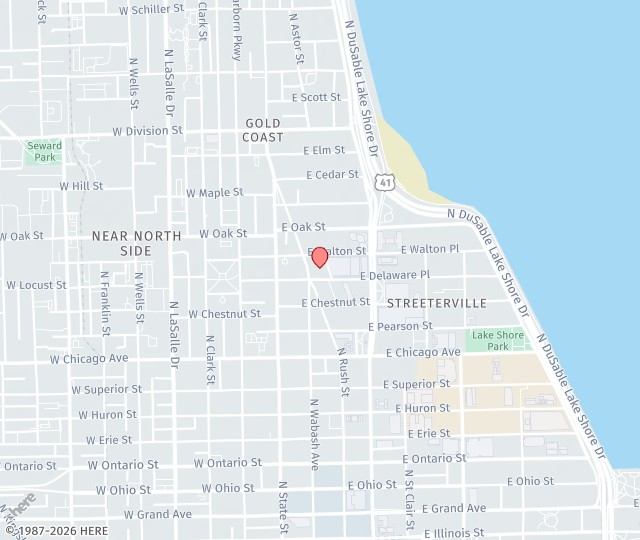
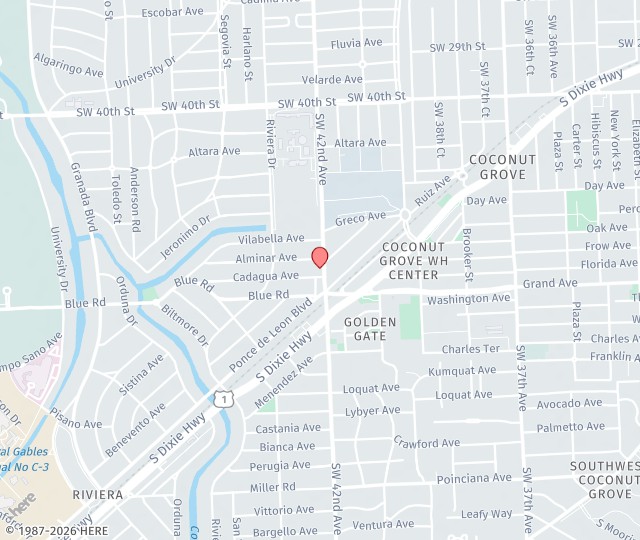
Rhinoplasty In Chicago, IL & Coral Gables, FL
Rhinoplasty can improve nasal appearance while maintaining proper breathing and facial balance. Patients in Chicago, IL, and Coral Gables, FL, considering rhinoplasty can contact McKinnon Plastic Surgery at (312) 335-9566 in Chicago or (305) 753-1400 in Coral Gables to schedule a consultation.