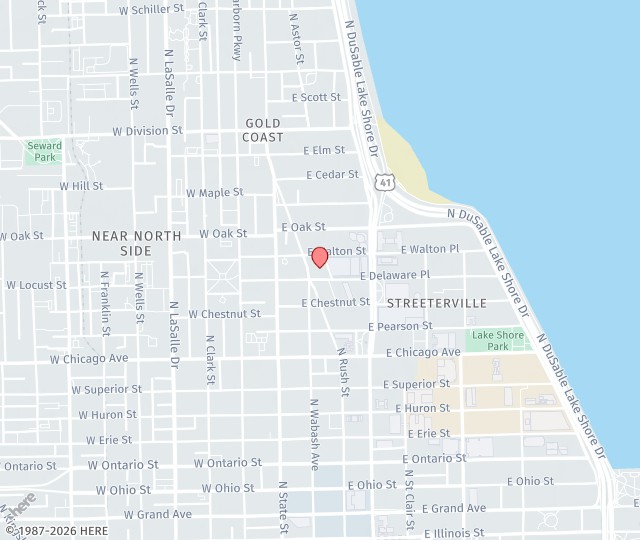
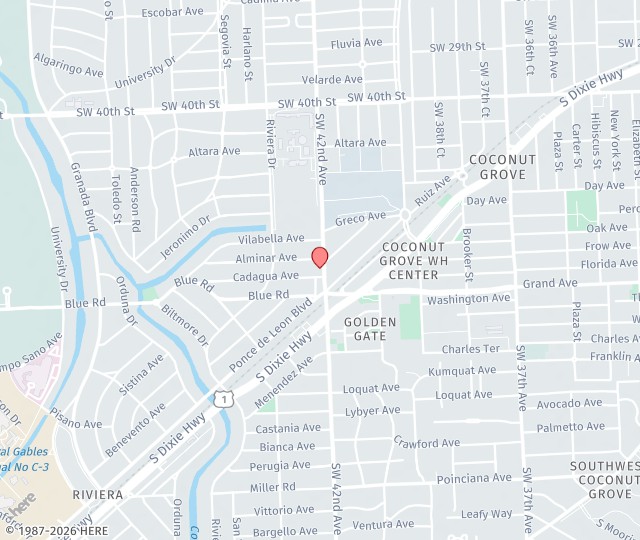
Facial paralysis can make everyday movements such as smiling, blinking, and speaking unexpectedly difficult. Some people recover with time, while others experience lasting weakness that affects eating, expression, or eye protection. Through our facial trauma and structural reconstruction services, McKinnon Plastic Surgery evaluates patients in Chicago, IL and Coral Gables, FL. Dr. McKay McKinnon is a board-certified plastic surgeon with decades of experience in craniofacial and reconstructive surgery.
What Is Facial Paralysis?
The facial nerve carries signals to the muscles responsible for expression. When those signals are interrupted, part of the face may droop or lose movement. The weakness sometimes develops suddenly and may affect one or both sides. Finding its cause is important because surgery is not always necessary.
What Causes Facial Paralysis?
Several conditions can interfere with facial nerve function:
- Bell’s palsy, which is associated with inflammation of the facial nerve
- Nerve injuries after accidents, certain facial fractures, or surgery
- Tumors affecting the nerve or treatment involving nearby structures, including some craniofacial tumors
- Congenital conditions that affect facial movement
Sudden facial drooping can be a sign of stroke. Call 911 immediately, particularly if it occurs with arm weakness, speech difficulties, or other sudden neurological symptoms.
How Can Facial Weakness Affect Daily Life?
Beyond an uneven smile, you may find it harder to move your lips, keep food or saliva inside your mouth, or close one eye fully. Difficulty blinking is especially important because the exposed eye can become dry or injured. It deserves prompt medical attention.
When Might Reconstructive Surgery Help?
Dr. McKinnon considers when the weakness began, what caused it, and whether the affected nerves and muscles are still functioning. Depending on those findings, reconstruction might involve nerve repair, muscle repositioning, or a procedure to support eye closure.
Surgery may improve movement, make the face more symmetrical, or help protect an eye that does not close properly. Results vary with the extent of the injury and the operation performed. Complete restoration of expression cannot be promised.
What to Expect From Evaluation and Recovery
Your assessment includes a review of symptoms, previous treatment, and the movements that remain. Additional medical evaluation may be needed before a surgical plan can be made.
Healing after nerve repair differs from recovery following muscle repositioning or eyelid correction. Our team explains the activity limits and follow-up involved in the recommended procedure, rather than giving everyone the same recovery schedule.
Why Choose McKinnon Plastic Surgery for Facial Paralysis Treatment in Chicago and Coral Gables?
Dr. McKinnon spent 24 years on the University of Chicago surgical faculty, where he introduced and taught craniofacial surgery. His advanced training included work in Paris with craniofacial surgeon Paul Tessier. This background is directly relevant to surgery involving the nerves, muscles, and structures of the face.
Frequently Asked Questions About Facial Paralysis
Discuss Persistent Facial Weakness With Our Team
If facial weakness continues after medical evaluation, Dr. McKay McKinnon can discuss whether reconstruction may help. Contact us at McKinnon Plastic Surgery in Chicago, IL at (312) 335-9566 or Coral Gables, FL at (305) 753-1400.