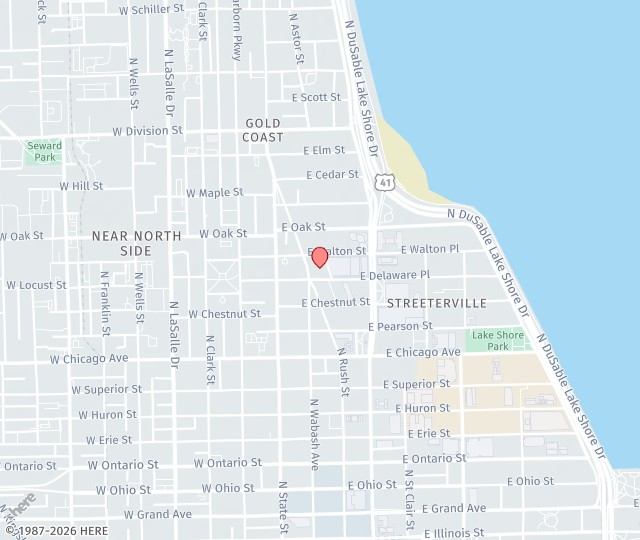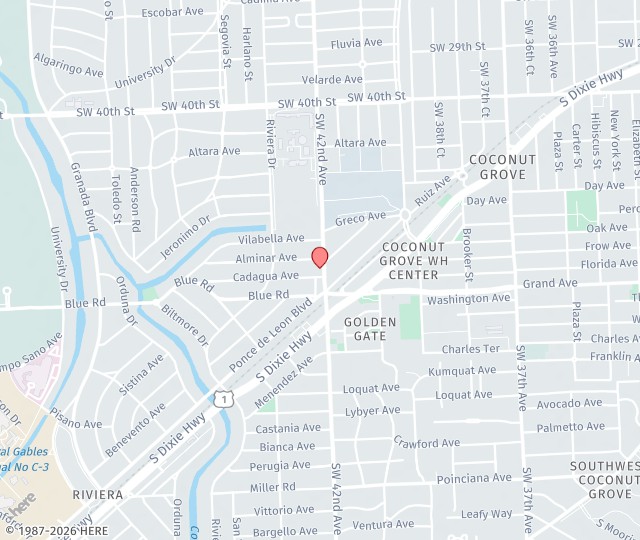
Open and closed rhinoplasty use different incisions to reach the nasal bone and cartilage. One is not automatically better than the other. The right method depends on nasal anatomy, breathing, previous surgery, and the changes being planned.McKay McKinnon, MD, trained on the Harvard Surgical Service and completed his plastic surgery residency at the University of Miami. He performs nose surgery through McKinnon Plastic Surgery in Chicago and Coral Gables.
How Closed Rhinoplasty Works
Closed rhinoplasty, also called endonasal rhinoplasty, is performed through incisions inside the nostrils. Since the surgeon does not make an incision across the columella, the strip of skin between the nostrils, there is no external scar from that access point.
The internal openings allow the surgeon to reshape nasal bone and cartilage while leaving more of the outer skin undisturbed. Dr. McKinnon typically uses the closed method for elective rhinoplasty because it can support carefully planned changes while preserving the nose’s natural framework.
Closed surgery can improve nasal shape, breathing, or both. The work performed beneath the skin matters more than the name of the method.
How Open Rhinoplasty Works
Open rhinoplasty adds a small incision across the columella. This connects with incisions inside the nose, allowing the skin to be lifted for a direct view of the underlying structure.
That increased visibility can be useful when the operative plan calls for broad access to the nasal framework. It also leaves a small external scar. Dr. McKinnon reserves open rhinoplasty for cases in which the additional exposure supports the work being performed rather than using it as his routine method.
Does One Method Produce Better Results?
Neither technique consistently produces better results for every patient. Surgical experience, nasal structure, skin thickness, and the specific changes being made all influence the outcome.
Planning may include an assessment of:
- Nasal shape and proportions
- Internal breathing passages
- Previous injuries or operations
- The need for cartilage or tissue grafts
- The relationship between the nose and chin
Dr. McKinnon generally uses a patient’s own tissue when added support is needed and avoids artificial nasal implants because of their additional risks. In some profiles, genioplasty may also be discussed when chin position affects facial balance.
Reviewing the rhinoplasty gallery can help you identify features you would like to discuss. The practice also provides rhinoplasty recovery instructions covering the splint, swelling, nasal congestion, and activity restrictions.
Talk With Dr. McKinnon About Rhinoplasty
The best rhinoplasty method is the one suited to your anatomy and goals. Patients in Chicago can reach McKinnon Plastic Surgery at 312-335-9566. For the Coral Gables office, call 305-753-1400 or contact us online to arrange a consultation with Dr. McKinnon.